
People are generally able to meet their calorie and nutrient needs on various types of intermittent fasting programs. People practicing intermittent fasting may also forget to drink or may not drink enough. This can be especially common when you’re first beginning an intermittent fasting regimen.
How ultra-processed foods are made linked to weight gain
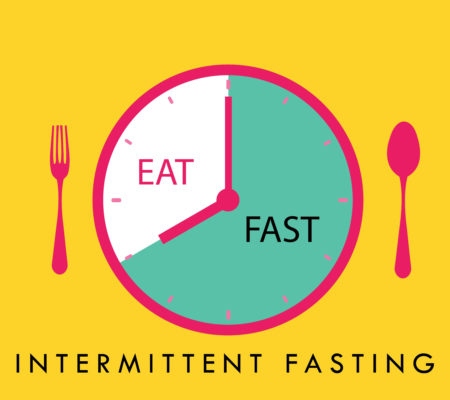
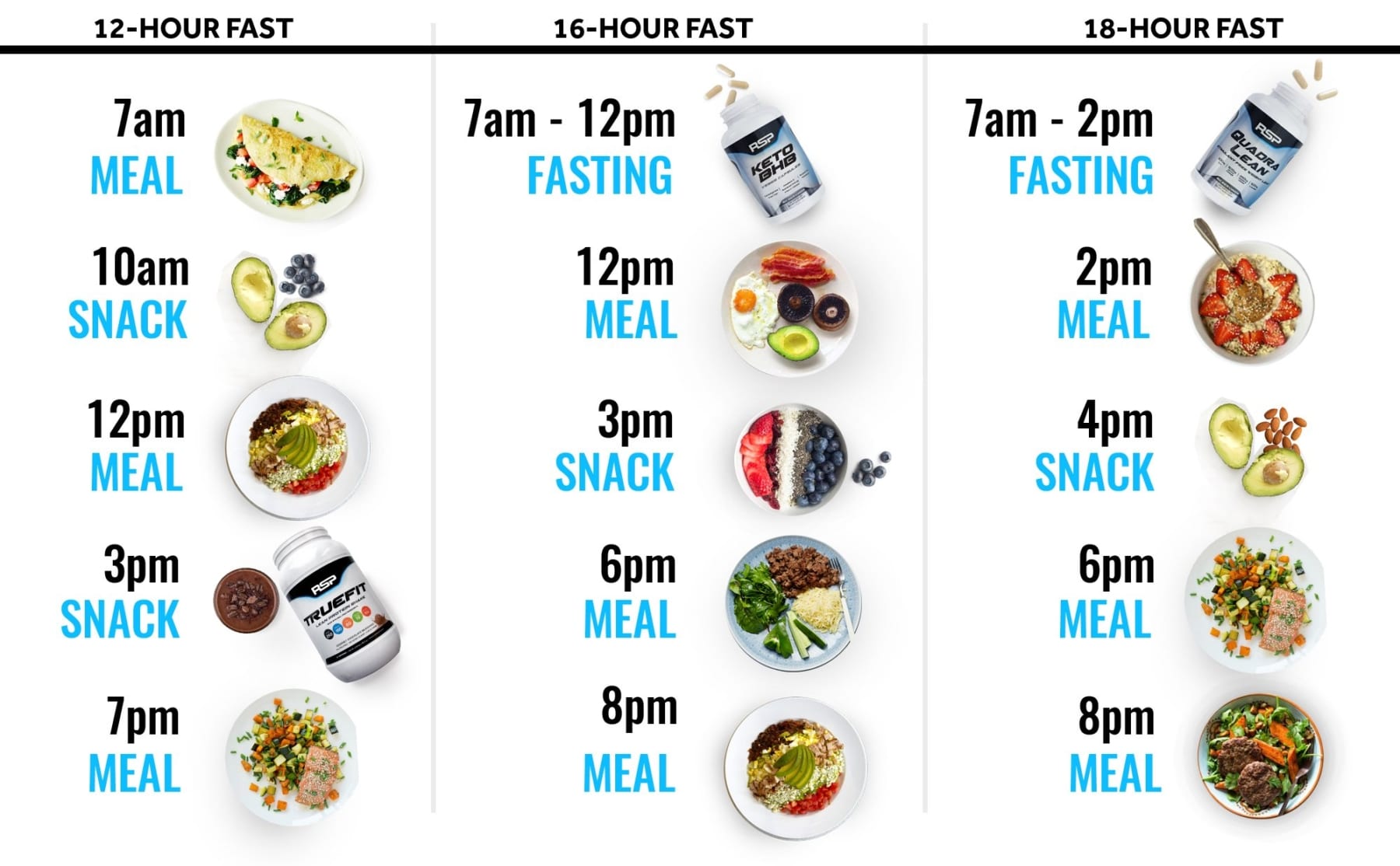
In time-restricted feeding, you eat every day but only during a limited number of hours. So, you may only eat between a six- to eight-hour window each day. For example, you might eat breakfast and lunch, but skip dinner.
What is intermittent fasting? Does it have health benefits?
Some people may experience irritability and other mood disturbances when they practice intermittent fasting as a result of low blood sugar. During intermittent fasting, reducing the amount of food you eat may negatively affect your digestion, causing certain side effects. Plus, the changes in your diet that occur with intermittent fasting may cause bloating and diarrhea for some people. They typically occur during the first few days of a fasting period as your body is getting used to the new eating style. If you’re thinking about intermittent fasting, talk to a healthcare professional about the pluses and minuses.
How Do Doctors Help Patients Make Treatment Decisions?
Your metabolic system is how your body changes the foods and beverages you consume into energy. Most of the time, your body gets its energy from a sugar called glucose. When unimeal.reviews you eat three meals during a day, your body maintains a steady glucose level because you’re eating and drinking frequently. There is evidence that intermittent fasting may help to improve risk factors for type 2 diabetes and heart disease. A recent study involving men with a high risk of diabetes looked at the effects of intermittent fasting with a 6-hour eating window early in the day, with the last meal at 3 p.m. Intermittent fasting — periods of eating and fasting — continues to grow in popularity.
Is Intermittent Fasting Bad for Your Heart Health?
However, a recent study by the American Heart Association (AHA) revealed that those following a time-restricted intermittent fasting plan have a 91 percent higher risk of death from heart disease. There have been a number of health benefits linked to intermittent fasting, including weight loss, improved insulin sensitivity and blood sugar, lowered blood pressure, a decreased risk for heart disease, and less stress. Most studies have found that intermittent fasting can help you lose weight. However, there is also scientific evidence that taking scheduled breaks from eating causes changes in the body that go beyond the benefits of weight loss and could potentially improve your health. For example, lab studies show that periods of fasting induce stress on human cells.
Nutrition know-how for patients taking anti-obesity medication
A 2020 study looked at 1,422 people who participated in fasting regimens lasting 4–21 days. Participants tended to have hunger symptoms only during the first few days of the regimens. However, recently published research points to potentially harmful results from intermittent fasting.
There are variations of intermittent fasting, and nearly endless options to personalize it to your preference. Most people tend to do what is called the 16/8 approach, in which you have an eight-hour window each day to eat, and you fast for 16 hours per day from all food and any beverages with calories. Over the last several years, intermittent fasting has become increasingly popular for its promises of improved health and weight control. The idea is that it’s easier to sharply restrict calories a few days a week or to limit eating to a shortened “eating window” each day than it is to moderately cut calories at every meal, every day.
Medical providers featured in this article
Plus, intermittent fasting may lead to sleep disturbances in some people, which can cause tiredness during the day. This 24-hour method involves fasting completely for a full 24 hours. With this version of intermittent fasting, the side effects can be extreme, such as fatigue, headaches, irritability, hunger, low energy, nausea, weakness and difficulty concentrating. This https://unimeal.reviews/ twice-a-week approach to intermittent fasting focuses on capping your calories at 500 for two days a week. During the other five days of the week, you maintain a healthy and normal diet.
Heart health and cholesterol
Scientists think that this process strengthens your cells’ ability to deal with stress and potentially fight off some diseases. Studies show that intermittent fasting can cause fatigue, feelings of low energy, irritability, and can make it harder to concentrate — although there’s some evidence that these symptoms may improve with time. The researchers saw that this improved both insulin sensitivity and the function of the pancreas, which produces insulin.
People who need to take their medications with food — to avoid nausea or stomach irritation — may not do well with fasting. Because of that, I don’t recommend starting when you’ve got a big deadline or stressful event in your life. But I do advise people to stick through it because you come out of it with more energy once the body gets used to it. The only situation I can think of where it wouldn’t be beneficial would be if you’re in a malnourished state—for example a cancer patient with the chronic weight loss that can happen with chemotherapy. To arrange an appointment, please call HOTLINE or make your reservation directly HERE. You may also download the MyVinmec app to schedule appointments faster and manage your reservations more conveniently.
Interestingly, many clinical trials involving intermittent fasting have a significant dropout rate. Even in studies where people are provided the food to eat, this pattern of eating can interfere with family dinners, social outings, and other lifestyle preferences. That speaks to the sustainability of intermittent fasting – it is difficult to do long term, which is key for any diet pattern you choose. Researchers have studied IF for decades, testing animals and humans to gather evidence of health benefits.
You should use this method 1-2 times a week to ensure safety for your health. Intermittent fasting is rapidly growing in popularity, but it may not be the right choice for you if you’re trying to lose weight or improve your health. Studies show that it can help you shed some pounds, but intermittent fasting doesn’t seem to be any more effective than conventional low-calorie diets. There may be some potential risks involved in this eating approach, so check with your doctor before giving it a try. However, it’s preferable to select healthy foods for your non-fasting periods, as you may undermine the benefits of the diet if you choose highly processed foods.
All these considerations are important when determining how to safely change your eating patterns. Rather than attributing success solely to “pounds lost,” a medical provider can help you visualize the big picture of your health and wellness goals. This is a loaded question because the answer depends on several personal health and lifestyle factors as well as any weight goals. For example, a weightlifting enthusiast probably needs more protein than a weekend warrior athlete.
Avoid intermittent fasting if you are at risk for an eating disorder.
- All these considerations are important when determining how to safely change your eating patterns.
- If you add exercise to the mix, it’s a great combination for not only weight loss, but also improved health benefits.
- There have been a number of health benefits linked to intermittent fasting, including weight loss, improved insulin sensitivity and blood sugar, lowered blood pressure, a decreased risk for heart disease, and less stress.
- Studies of intermittent fasting in people with chronic disease have resulted in better control of their conditions.
- Our research shows that one-size-fits-all nutrition advice doesn’t work.
- Intermittent fasting may help people who have cardiovascular disease, neurological disorders, and some cancers.
Some studies, but not all, show that intermittent fasting improves how the body uses the hormone insulin, which could help prevent or improve control of type 2 diabetes by lowering blood sugar levels. One 6-month study found that the form of intermittent fasting called time-restricted eating reduced blood sugar levels in people with type 2 diabetes. However, a conventional reduced-calorie diet had the same effect, and some experts think intermittent fasting isn’t safe for people with diabetes. Many diets focus on the types of foods and nutrients you consume, but intermittent fasting is a type of diet that centers around when you eat. Some research has shown that this time-restricted dieting method results in weight loss.
Research shows that intermittent fasting is safe and effective
Intermittent fasting is a predetermined period where an individual purposely doesn’t eat food. From a 12-hour fast to alternate day fasting, many kinds of intermittent fasting diets are becoming increasingly popular. Health professionals argue that intermittent fasting is not necessarily dangerous, but many also agree that intermittent fasting is not safe for everyone. Depending on the length of the fasting period, people may experience headaches, lethargy, crankiness, and constipation.
