

Table of Contents
Live Casino Charisma: Blending Sound, Light and Focus
There’s something magnetic about walking into a casino, or even logging into an interactive live-dealer game. The hum of conversation, a flicker of neon light, the sound of cards shuffling—it’s almost hypnotic. The question is: how do digital platforms translate all that energy into something you can feel from your couch? I’ve spent some time thinking about this, and honestly, the more I see, the more I realize how delicately balanced the whole experience is. From the design of the tables to the rhythm of the music, it all blends together into one charismatic presence that good casinos manage to maintain in both physical and virtual spaces.
Modern online gaming portals, such as Plinko Online, have taken huge leaps in reproducing this charisma. They know that players crave more than just gambling—they want atmosphere. And the combination of sound, lighting, and visual focus isn’t an aesthetic afterthought—it’s central to how players connect emotionally with the game.
The Fusion of Sound and Light
If you’ve ever muted a live casino video stream, you’d notice immediately how flat and oddly hollow it becomes. Sound is one of those invisible forces that binds experiences together. Subtle echoes of a deal, a musical chord after a big win, or even ambient murmurs—all cue your emotions and help maintain focus. Interestingly, casino audio design often involves loops carefully tuned to match lighting transitions, so every spin or reveal is reinforced visually and sonically.
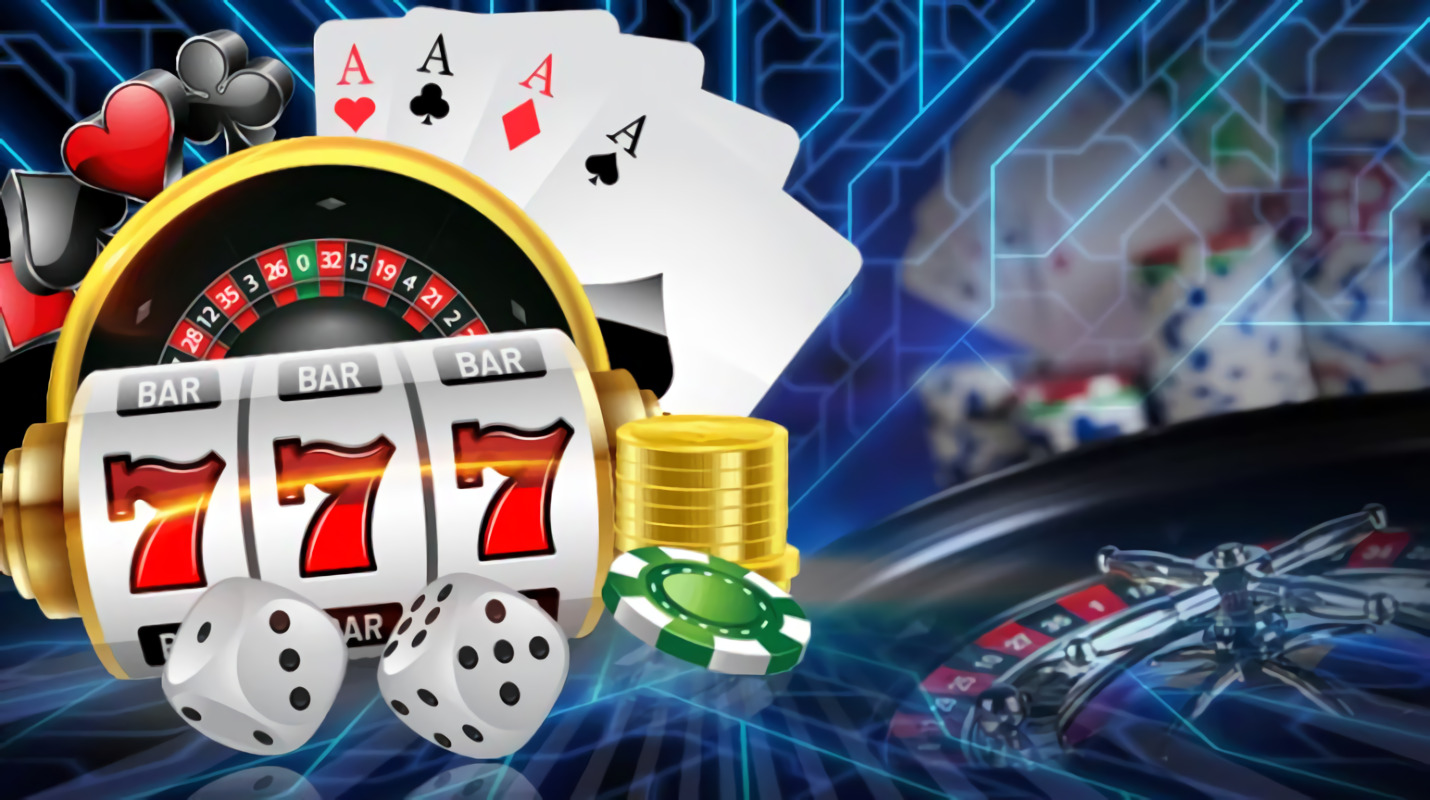
Lighting plays its own quiet role. In physical casinos, light is often used to hide time, removing cues that remind you of the outside world. In digital spaces, that’s recreated through adaptive glow, smooth transitions between camera angles, and delicate contrast enhancement around the cards or reels. It feels natural because you don’t consciously notice it. Instead, your eyes follow the highlights, while your brain connects that glow with precision, control, and chance.
Creating Emotional Resonance
When lights respond to in-game activity, they build a rhythm. That rhythm becomes a part of the user’s focus loop, which is essential. Gamblers in a live game rarely look away; they’re guided subconsciously by these cues. I read once that designers add tiny visual “breathing” animations to scenes to mimic human attention cycles, and it definitely shows in well-built casino platforms.
Keeping Focus Without Fatigue
Oddly enough, focus isn’t about intensity alone. Spend too long at a screen with bright motion, and you lose track not of time, but of engagement. The best casinos temper their designs with breathing space: moments of calm between bets, tiny camera pauses, little silences. Focus comes from pacing. You can’t keep someone engaged nonstop—you need fluctuation.
A Designer’s Balancing Act
Focus is like gravity; pull too hard, and it repels. Casinos create immersion through control, slowly reducing external distractions. Digital dealers, for instance, are trained to maintain a warm but steady demeanor. Their gestures, tone, and even their pauses are orchestrated to sustain comfort and anticipation. I find that remarkable—it’s performance art wrapped around random math.
The Charisma Factor in Live Experience
When people talk about the “charisma” of a casino, they often mean the human atmosphere—the live chat banter, the gentle jokes from the dealer, or simply the sense that someone is sharing the moment with you. However, charisma also lies in how well the platform supports those interactions. Smooth streaming, flawless transitions, and intuitive game elements keep that connection unbroken. I remember once switching between tables and noticing a few-second flicker—it instantly broke the spell. Even a small disruption reminds you that it’s all digital, and the magic evaporates.
Translating Charisma Into Interface
Most good gambling platforms now develop intricate host environments. They train dealers to engage at uneven intervals, to feel natural rather than scripted. Some systems inject random conversational triggers, making dealers ask small, human things (“tough day?” or “you’re on a lucky streak!”). These details create texture. Without that, even the most sophisticated design feels cold.
Interactive Elements And Player Adaptation
It’s fascinating to see how casinos build engagement not only visually but also cognitively. They reward small moments of interaction—tapping to reveal cards, shifting camera angles, even voting on game decisions. Users may not realize it, but these micro-actions form part of their rhythm of attention, reinforcing presence and agency.
Two Layers Of Control
It’s worth reflecting on the multi-level structure of engagement. Casinos don’t rely on a single factor but combine attention anchors across sensory levels. If one fades, another picks it up. Let’s illustrate:
- First, the casino builds confidence through visual rhythm. Warmer tones and smooth transitions create familiarity and comfort.
- Next, it integrates behavioral triggers—small choice moments that let the player feel control even as the game follows strict randomness.
It’s almost like orchestrating a concert: melody in the visuals, harmony in the interface, and rhythm in the anticipation. All pieces synchronize, giving players that much-loved feeling of “flow”.
Psychological Anchors
Still, the most ingenious element, in my opinion, is timing. Good games provide instant feedback at precisely tuned intervals. That dopamine tick builds expectation. It’s not manipulation in a sinister sense—it’s storytelling through interaction. Losses don’t hit as hard when sound and light soften the emotional dip, letting the player reset gracefully for the next round.
- Designers stagger wins and cues strategically to stabilize excitement curves.
- Adaptive soundtracks gently shift tempo to maintain emotional balance.
And perhaps that’s the line where technology turns into art: using randomness as the medium and emotion as the frame.
FAQ
Q: How do light and sound work together in live casinos?
A: They complement each other by aligning timing and tone. Light ignites attention, sound sustains atmosphere. The sync of both reduces fatigue while boosting anticipation.
Q: Does focus mean staring at the screen longer?
A: Not exactly. True focus in live gaming involves comfort. The system ensures variety and rhythm so players stay attentive without strain.
Q: What makes a live casino “charismatic”?
A: Charisma flows from human elements, technical precision, and subtle emotional feedback. The best ones merge all three seamlessly, creating a sensation that feels alive.
Q: Are these effects intentional or accidental?
A: Entire teams design and test audio-visual combinations. Nothing is random, though it’s meant to feel spontaneous. That’s the trick—the illusion of natural charm built on structured design.
